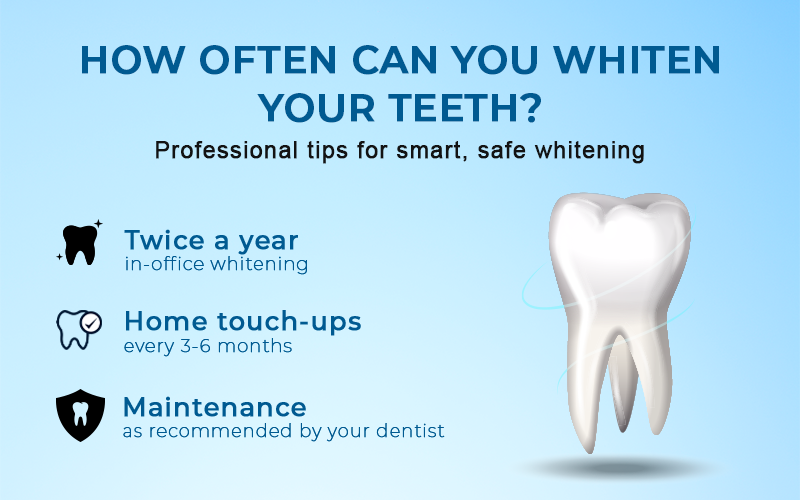
Get Rid Of Coffee Spots Teeth Archives The dark brownish shade of tannins permeates right into the underlayer of your teeth and stays there. Due to the fact that tannins are so resistant to disintegration, it's difficult to eliminate these stains with normal brushing. White tea is a superb light-colored beverage rich in antioxidants, promoting general health and wellness. It consists of fewer tannins than other teas, minimizing the danger of teeth discoloring. And also, the fluoride in white tea aids protect against enamel disintegration and periodontal condition. For in-office lightening, which is a solitary see done twice a year, you need to wait about a day prior to drinking coffee. However, these coffee discolorations are avoidable and treatable at the very same time. Yes-- with the ideal habits and tools, coffee discolorations can be reduced or avoided. Sipping through a straw, washing your mouth with water after alcohol consumption, and making use of teeth bleaching items designed for coffee stains all aid protect your teeth.
Obtaining a specialist cleansing every 6 months removes the surface area so your natural tooth shade can beam through, and any kind of future bleaching therapies function much better.
There are several foods and drinks that people take in that leave their teeth with spots and discoloration.
Teeth whitening can transform your smile, yet protecting the outcomes needs a bit of technique, particularly in the first 2 days.
This could be harder for some to do given the fact caffeine is just one of the reasons individuals consume points like coffee to begin with.
Arabica coffee tastes sweeter, with fruity and nutty hints and a touch of chocolate, while Robusta leans a lot more bitter, carrying natural flavors of wood and also burnt rubber.
Lots of people think that utilizing this representative when a week can assist maintain their teeth white without spending much cash.
Consuming Coffee After Teeth Whitening
Including behaviors like brushing after consuming alcohol these beverages can reduce the effects. Teeth bleaching therapies function by opening the pores in your enamel to eliminate discolorations and staining. This procedure leaves your teeth a lot more porous for a short period, making them especially susceptible to brand-new stains. Coffee, with its dark pigments and level of acidity, can promptly seep into these open pores, undoing the brilliant outcomes of your lightening session. With appropriate brushing, professional cleansings, and whitening therapies, these stains can usually be reduced or eliminated.
How do I get coffee discolorations off of my teeth?
Sodium Bicarbonate and Hydrogen Peroxide Paste. One of the most effective and affordable approaches for removing coffee discolorations is a homemade paste made from cooking soda and hydrogen peroxide. Just blend a percentage of baking soda with hydrogen peroxide to create a paste, after that brush your teeth with it for two minutes.
Cleaning And Flossing Before You Consume Coffee
The teeth appeared to be of a brighter shade, the stains slowly vanished, and the smile came to be radiant again. Lots of people have staining concerns and look for a method that is both secure and all-natural to make their teeth shine once again. If you can not function without that essential mug of coffee but are stressed over its influence on the illumination of your teeth, you're in the appropriate area! This blog site will assist you lower or protect against coffee spots on your teeth efficiently. After teeth bleaching, lots of coffee fans question if they need to quit coffee to keep their results. Sodium bicarbonate, or salt bicarbonate, is a mild abrasive that can aid scrub away surface discolorations on teeth. Its great particles can successfully eliminate plaque and stains, exposing the natural brightness of your teeth. The light serve as a stimulant, speeding up the chain reaction of the lightening representative. For tea enthusiasts, this suggests the peroxide works faster and extra successfully during the short time it is on your teeth. It is a positive way to manage your smile if you are a frequent maker. Utilizing it daily maintains the surface area polished and smooth, making it harder for new spots to abide by the enamel. Dental cleansings also safeguard your oral health and wellness, keeping your gum tissues and teeth in outstanding condition.
❓ Why Does Coffee Stain Greater Than Tea?
Veneers are an optimal means to take tarnished or twisted teeth and turn them into stunning smiles and long-term confidence. If your are considering eliminating existing coffee teeth discolorations, bleaching therapy or veneers can be option. Routine Cleaning- Routine brushing Teeth Whitening Clinics your teeth cleans the surface of your teeth and likewise gets rid of the coffee discolorations. Coffee can stain teeth more than tea because it has higher degrees of dark pigments and tannins. Coffee enthusiasts usually switch over in between cold and hot drinks-- perhaps a steaming cappuccino someday and an iced coffee the following. According to Healthline, direct exposure to temperature level changes can impact tooth enamel, specifically when it's currently weakened. To preserve a brilliant smile, take into consideration limiting dark-colored drinks and focusing on outstanding oral hygiene. Consistent cleaning with fluoride tooth paste, flossing, and regular oral exams are crucial for protecting against stains and maintaining your teeth's natural brightness. However, most individuals find the spots it leaves on their teeth to be a bit much less preferable. Coffee, black tea, and merlot can all trigger staining on your tooth enamel. Efficient treatments are offered at your oral expert's office and over the counter to keep you smiling. Many store-bought lightening strips and toothpastes promise quick results, but they typically offer just limited renovation. You can observe the coffee impact on teeth due to the following elements. Yes, since the malic acid in strawberries can help brighten the oral surface area. Checking out a dental professional in Lindon, UT, makes sure any type of stubborn spots are eliminated successfully during cleanings. Throughout the initial 24-- 48 hours after whitening, teeth are specifically susceptible to spots. A dental test before treatment is essential since neglected tooth cavities, gum tissue condition, or harmed enamel can impact bleaching results and convenience. If you're ready to rejuvenate your smile and find out which bleaching choice is best for you, call us to set up a personalized appointment with our oral team.